Exchange with this member
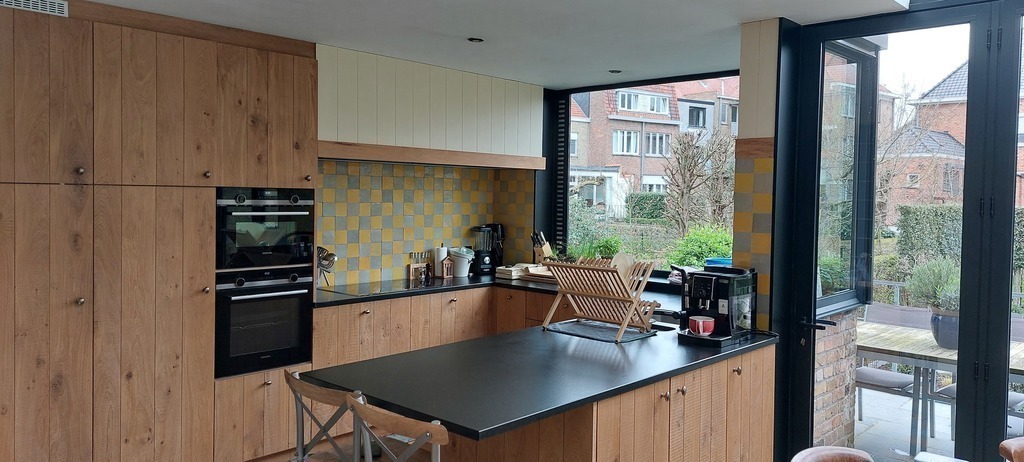
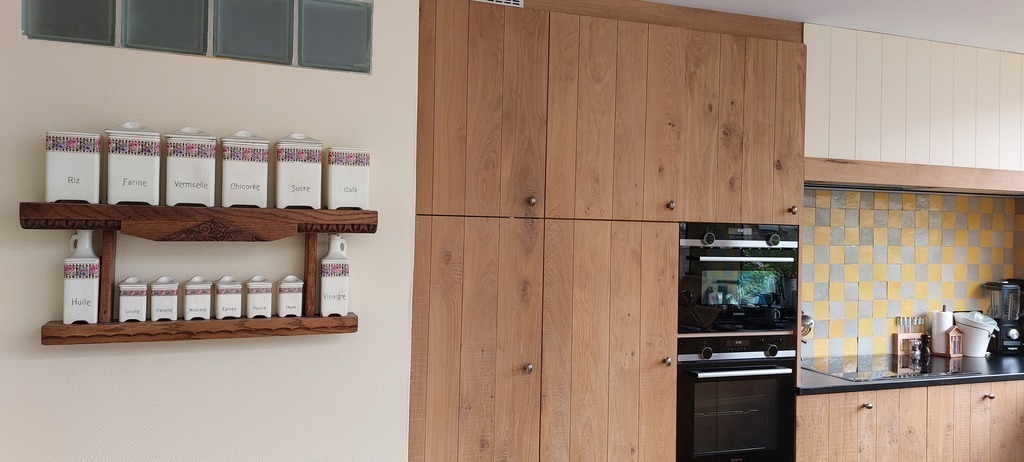
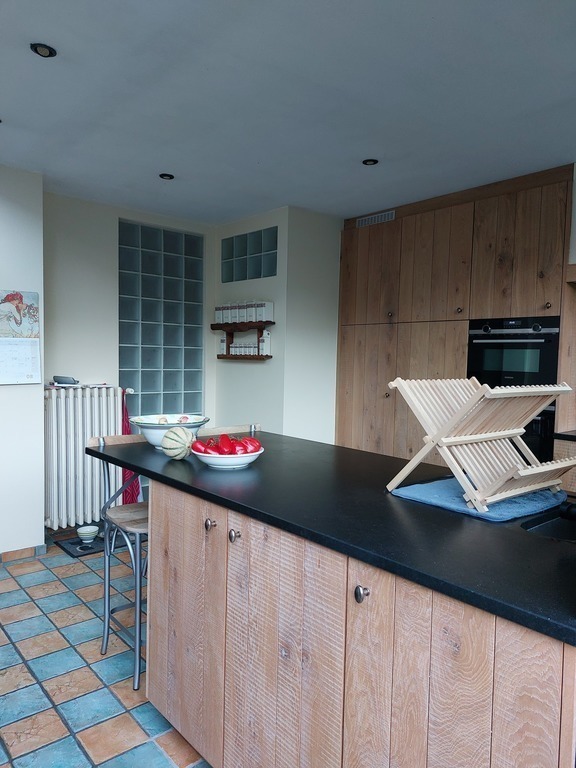
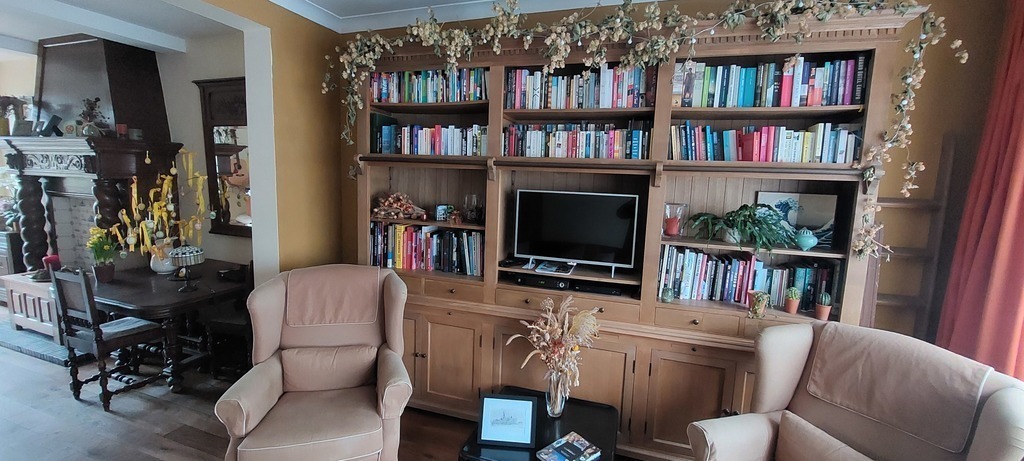
House in Brugge, Belgium
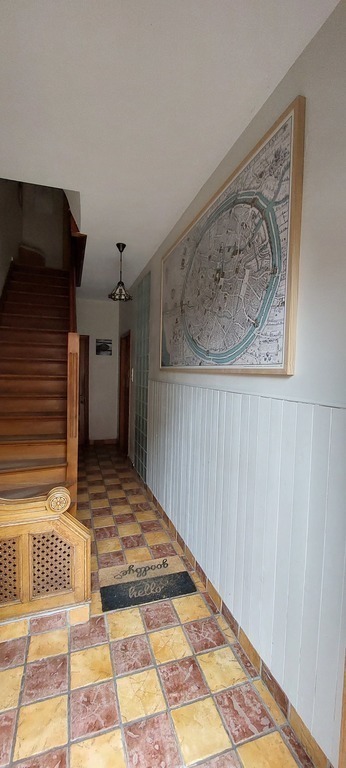
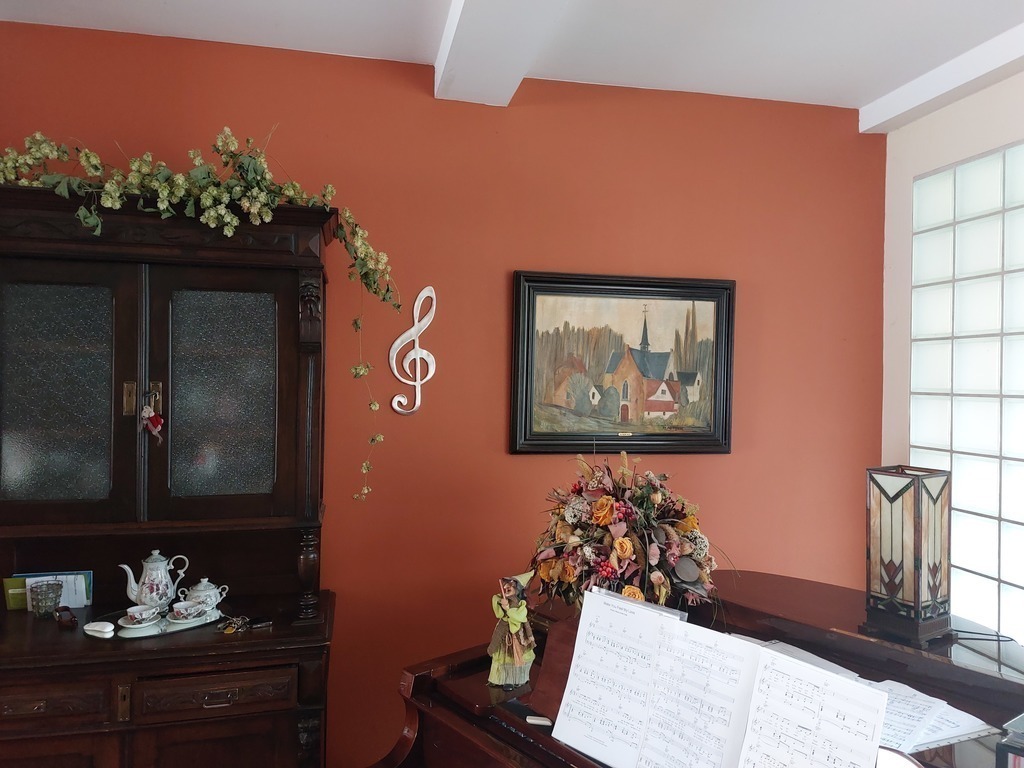
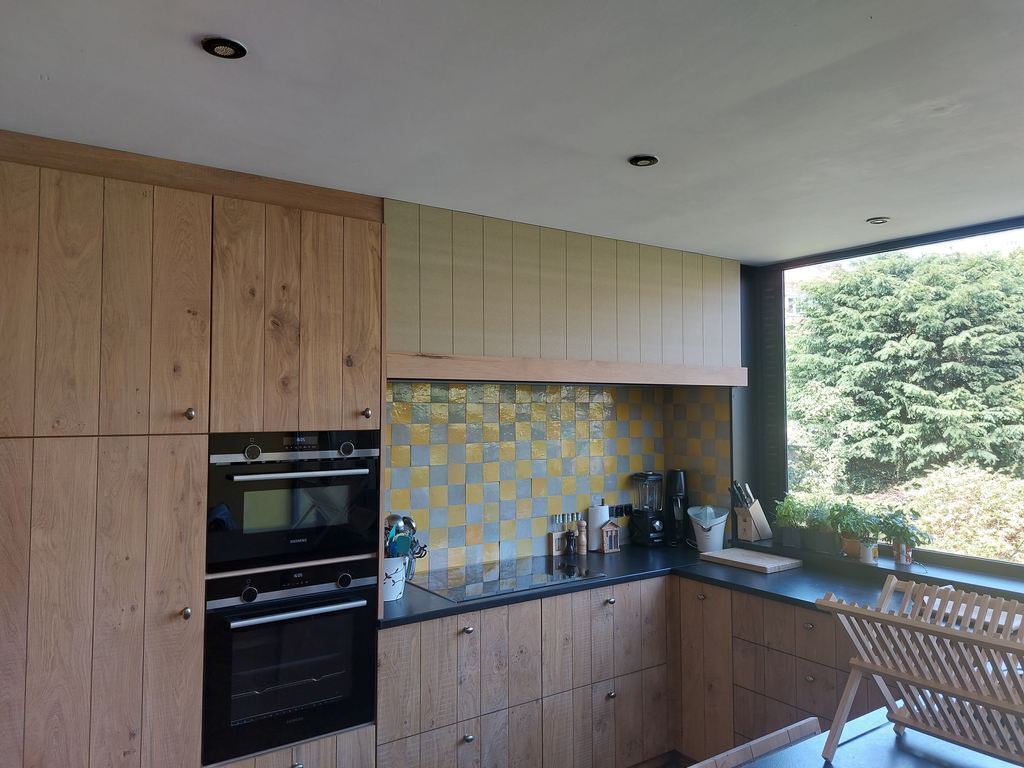
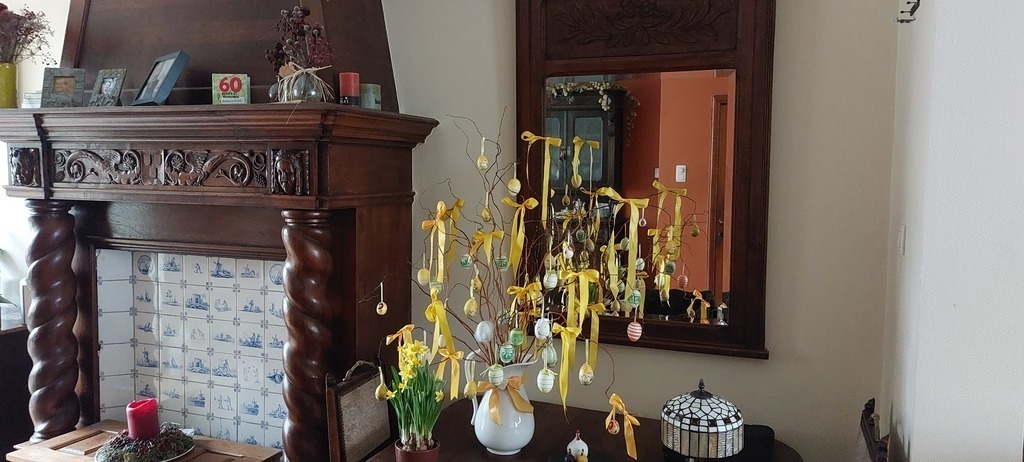
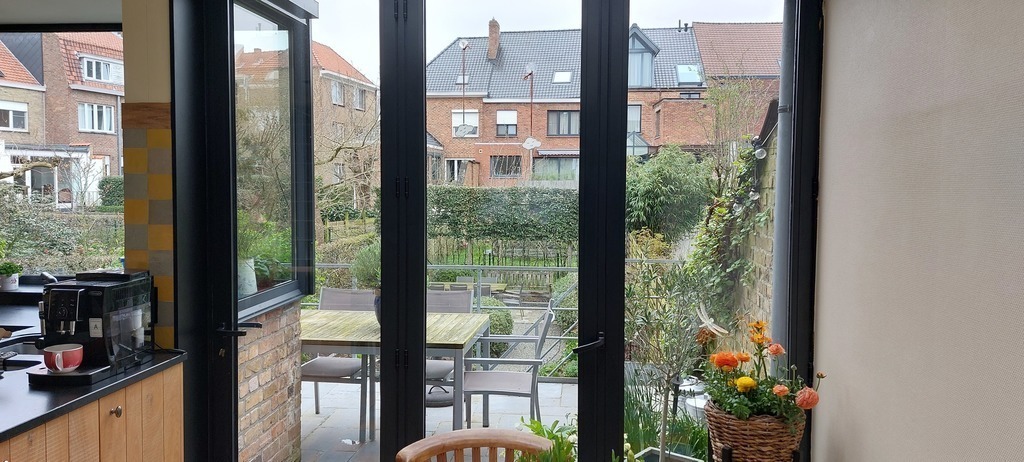
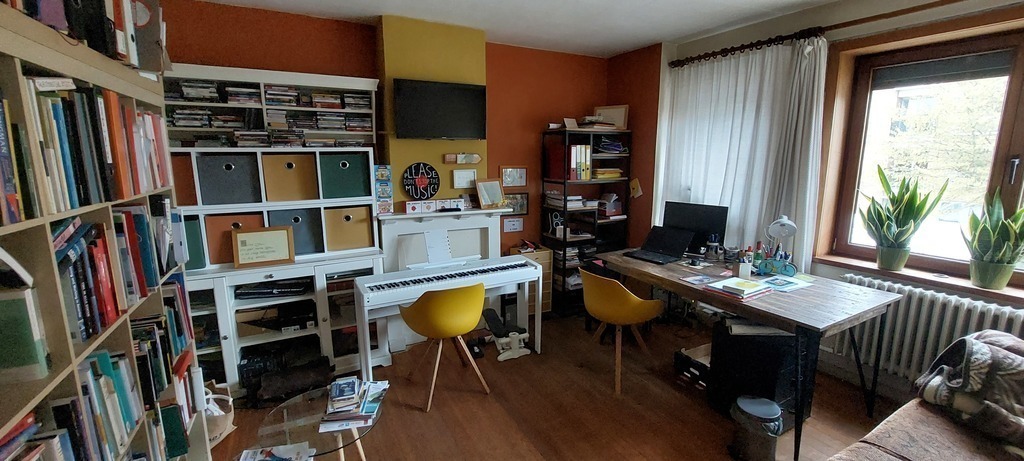
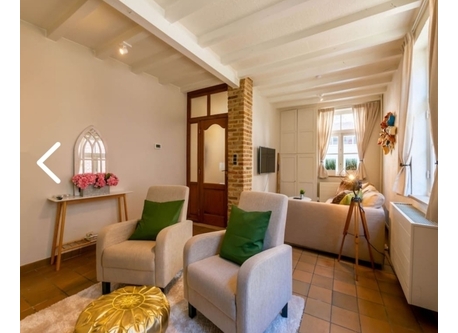
We live in a terraced house (6 m wide) in a quiet neighbourhood at walking distance from the city centre (1.5 km - 20 minute-walk to the market place). The ground floor is one big open space, containing a living room (9 x 4.5m) and kitchen (4 x 5m). There is a grand piano. At the back there is a terrace that looks out on a small garden (15 x 6m), which is at basement level, so you need steps to go down to get there from the terrace). The garden boasts lovely flowers and plants with in the sunny back a comfy bench and table with chairs.
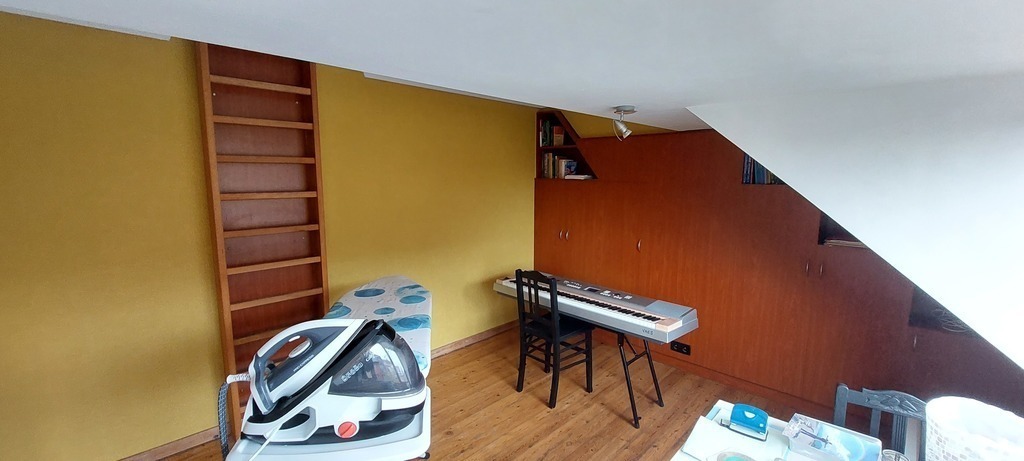
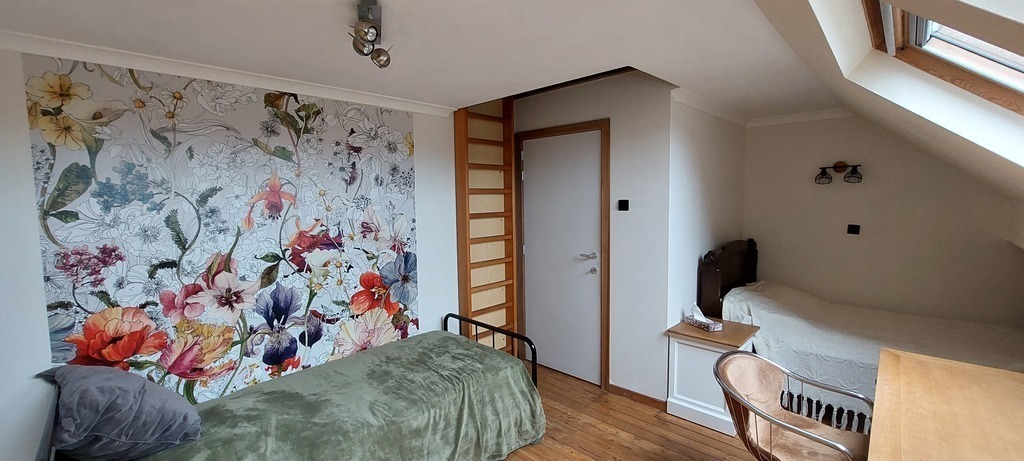
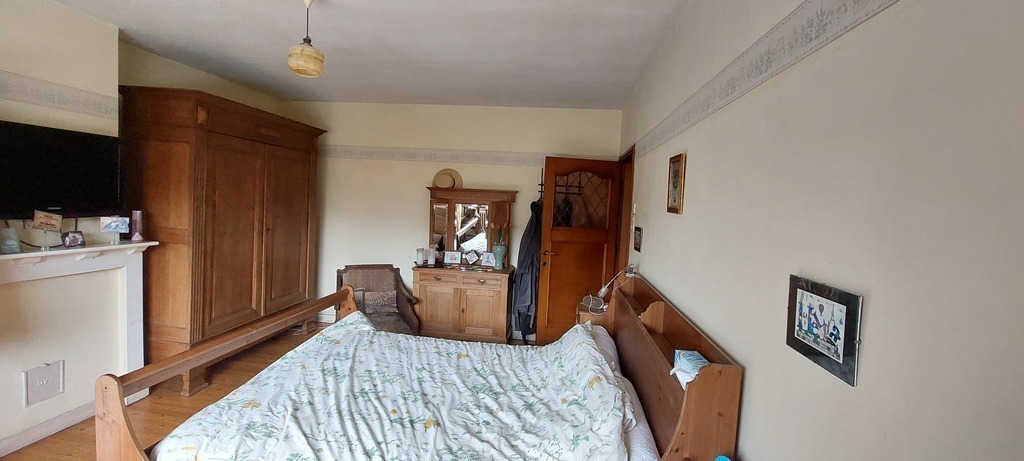
On the first floor we have got a large bedroom and a study with a convertible bedsettee (= double bed). On the second floor there are two more bedrooms. So the house can easily accomodate six people. Note that our house is a non-smoking area!
Listing Overview


Property
- Bedrooms 4
- Sleeping Capacity 6
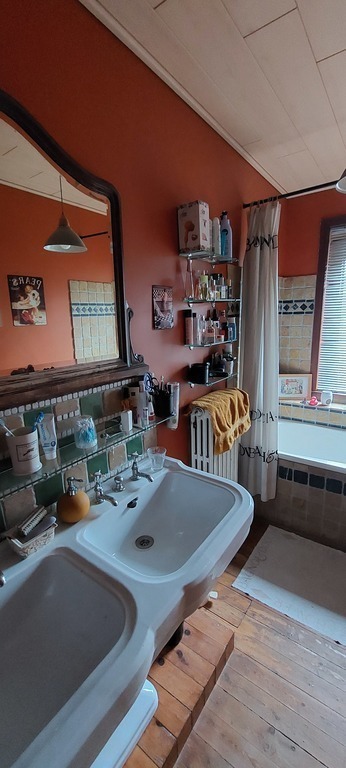
- Bathrooms 2
- Living Area 180 m2
- Total Area 192 m2
House rules
- Small children are welcome Yes
- Pets are welcome No
- Non-smoking house Yes
- Pet care wanted No
- Car necessary No
Exchange dates
| Exchange dates | Length of stay (nb of days) | Flexible |
|---|---|---|
| Always open for exchange | ||
Exchange periods
Always open for exchange
| Earliest date | Latest date | Length of stay (nb of days) | Flexible dates |
|---|
Neighborhood
About the neighborhood
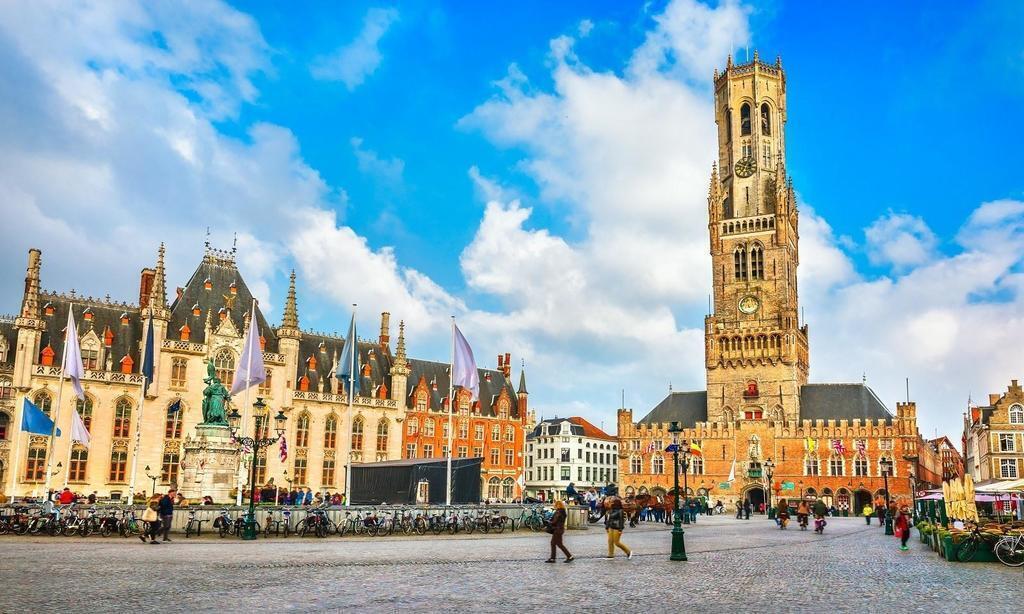
We live in Bruges, a wonderful historical city which attracts lots of British tourists every year. This is how the successful American travel author Bill Bryson describes our city:
"I went to Bruges for a day. It's only thirty miles from Brussels and so beautiful, so deeply, endlessly gorgeous, that it's hard to believe it could be in the same country. Everything about it is perfect - its cobbled streets, its placid, bottle-green canals, its steep-roofed medieval houses, its market squares, its slumbering parks, everything. No city has been better favoured by decline. For 200 years Bruges - I don't know why we persist in calling it this because to the locals it's spelled Brugge and pronounced "Brooguh" - was the most prosperous city in Europe, but the silting up of the River Zwyn and changing political circumstances made it literally a backwater, and for 500 years, while other cities grew and were endlessly transformed, Bruges remained forgotten and untouched. When Wordsworth visited in the nineteenth century he found grass growing in the streets. Antwerp, I've been told, was more beautiful still, even as late as the turn of this century, but developers moved in and pulled down everything they could get their hands on, which was pretty much everything. Bruges was saved by its obscurity. It is a rare place. I walked for a day with my mouth open. [...] I [...] never once saw a street that I wouldn't want to live on, a pub that I wouldn't like to get to know, a view I wouldn't wish to call my own. It was hard to accept that it was real - that people came home to these houses every night and shopped in these shops and went through life thinking that this is the way of the world." [Neither Here Nor There, Chapter 6 - Belgium, p. 72-73]
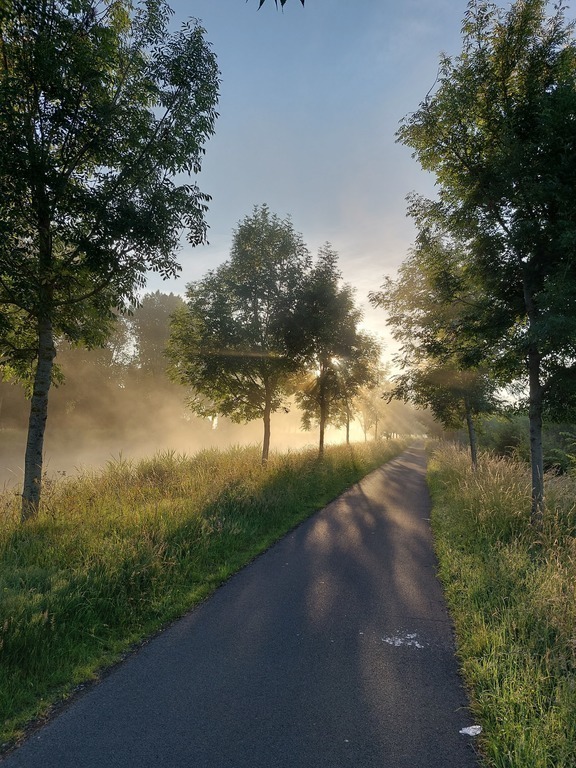
Bruges boasts some of the finest museums of the country, like the Groeninghe with a unique collection Flemish Primitives and the Gruuthuse about life in the Middle Ages. There is the brilliant gothic town hall and the majestic belfry, and the idyllic beguinage with daffodils in bloom around Easter. But Bruges is also a modern city, with a chocolate museum (and many exquisite chocolate shops!) and a brewery museum (with its own home brew). You can take a boat trip on the canals that cross the city or just stroll down its the many quiet romantic streets.
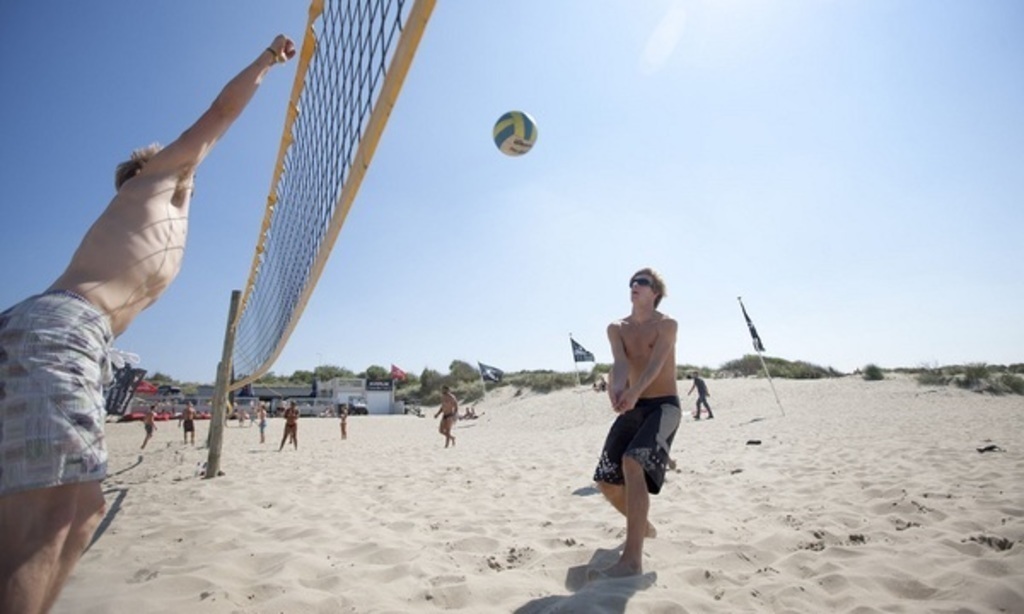
We have five bicycles at your disposal to explore the city as well. Bruges has also a modern concert hall with big names in classic as well as jazz on stage, and many cosy pubs and restaurants. Neighbouring tourist haunts include other historic cities such as Damme (5 km), Ghent (45 km), Ypres with the Flanders Fields museum, and the Ypres Salient of World War I with its impressive war cemeteries (40 kms), and Zeeland in the Netherlands (20 kms). Even the third largest city of France, Lille, is at only a 50 minute-drive (one-hour train ride). Antwerp and Brussels are both at 100 km, and of course well worth a visit. The Belgian coast (12 kms) is at spitting distance as well. Beaches are broad and sandy and ideal for children to play. More information on www.brugge.be
House amenities
Vehicles included in exchange
- Use/Exchange of car 0
- Number of bicycles 2
- Number of children's bicycles 0
- Number of electrical bicycles 0
- Use of boat 0
House essentials


House features


Instruments


Accessibility
Destination Wishlist
- Open to any destination
- Switzerland
- Germany
- Great Britain
- Ireland
- Italy
- Netherlands
- Austria
References


La casa está muy bien situada en Brugges, cerca del centro pero lejos del bullicio. La descripción se ajusta muy bien a la realidad. Es muy acogedora y práctica, con todas las comodidades necesarias.
Un sans faute dans cet échange, tant par la maison aussi charmante que confortable que sa proximité avec le coeur historique de Bruges, la bienveillance du voisinage et l'amabilité de nos hôtes. Un séjour dès plus agréable.
Great place, close to city centre. Everything we needed was there.
Similar Listings


- 10
- 1
- 2
| Use/Exchange of car: | No |
| Non-smoking house: | Yes |
| Pet care wanted: | No |
| NZ | AU |
| US | GR |
| GB | IS |

- 8
- 1
- 0
| Use/Exchange of car: | No |
| Non-smoking house: | Yes |
| Pet care wanted: | No |
| US | IS |
| DK | FI |
| SE | NO |


- 8
- 2
- 5
| Use/Exchange of car: | No |
| Non-smoking house: | Yes |
| Pet care wanted: | Yes |
| PT | AT |
| US | DE |
| FR | FR |
-

Member since
2004
- 24 Exchanges made
My wife Helga is a social worker (62). She is a deputy head at the social department of the coastal city of Knokke-Heist. I (64) am a recently retired language teacher (Dutch, English and German) in a secondary school (equal to a British sixth-form class) and teacher training college in Bruges. We have two sons, Rogier (31) and Andreas (29) but they will not come with us on the exchange.
Destination Wishlist
- Open to any destination
- Switzerland
- Germany
- Great Britain
- Ireland
- Italy
- Netherlands
- Austria